Partial Hospitalization Program
A more supported start. Full days of structure, therapy and medical coordination for the early stretch of opioid recovery, when cravings and withdrawal risk run highest.
Care for
Conditions we treat · Opioids
For a lot of people, opioids started with a prescription after surgery or an injury. Whether your use began at a pharmacy counter or somewhere else, what matters now is where it is heading, and that is something you can change with the right support.
Is it time to talk to someone?

Clinically reviewed
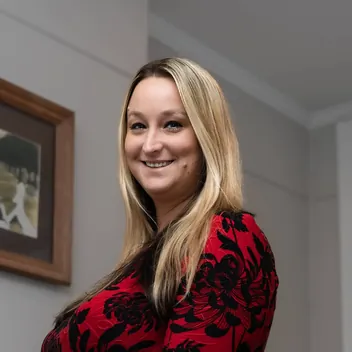
Rachel Garber, MS, CAADC, LPC · Primary Therapist
Content reviewed October 2026
80,000+
opioid-involved overdose deaths in the United States in a single year.
Source: CDC provisional overdose data, 2023
8.6M
Americans misused prescription opioids in the past year.
Source: SAMHSA, 2023 National Survey on Drug Use and Health
Fewer than 1 in 10
people with a substance use disorder get treatment in a given year.
Source: SAMHSA, based on NSDUH data
Opioid use disorder responds to treatment, and medication is part of how it responds. Combined with counseling and steady structure, people on medication stay in care longer and are far less likely to return to use.
Medication and outpatient care
Medications such as buprenorphine, methadone and naltrexone are considered the standard of care for opioid use disorder. Whether medication is part of your plan is a decision you make with a prescriber, and our programs are built to work alongside it.
Call Now (484) 779-18161. We start with an assessment
A confidential conversation about your use, your health, any past withdrawal and what recovery has looked like before.
2. We coordinate medication support
If medication is right for you, we discuss the options with you and coordinate with prescribers so care starts on solid footing.
3. We build what comes after
PHP or IOP with case management, therapy and aftercare planning, so progress does not stop when the program day ends.
Support that meets you where you are
Opioid recovery asks a lot of your body and your schedule at the same time. Two levels of outpatient care let us match the support to where you are today.
A more supported start. Full days of structure, therapy and medical coordination for the early stretch of opioid recovery, when cravings and withdrawal risk run highest.
Care for
Meaningful progress, alongside everyday life. Steady support that fits around work and family while therapy and any medication do their work.
Care for
What treatment looks like
Opioid recovery is built on routine: showing up, talking honestly and taking the next right step. Here is what a week of that work looks like.
One-on-one work with a primary therapist on cravings, triggers, mood and whatever life keeps throwing at you.
Small groups with people who get it. Honest conversation, shared strategies and skills you will actually use.
When medication is part of your plan, we coordinate with prescribers so your therapy and medication pull in the same direction.
Practical help with the things that destabilize recovery: insurance questions, scheduling, work, school and the step down to less intensive care.
Opioids and mental health
Many people start using opioids to quiet physical or emotional pain, and both kinds of pain can stay long after the pills are gone. We treat substance use and mental health together, in one plan, at either of our Media locations.
Before you call
Yes. Many people come to us already taking medication for opioid use disorder, and we build therapy and structure around it. If you are not on medication and want to talk about it, that conversation happens with a prescriber.
No. You can begin treatment while you are still using. Part of the first step is a safe, honest assessment of where you are, and any medical care you need comes first.
It is the use of medications such as buprenorphine, methadone or naltrexone alongside counseling. It is considered the standard of care for opioid use disorder, and decisions about it are made with you.
If daily medical support or residential treatment would serve you better, we will tell you plainly and help coordinate the referral.
It can be part of recovery, and it is not a moral failing. If it happens, we adjust the plan rather than giving up on you.
Areas we serve
People come to our Media, PA opioid program from across Delaware County and the Main Line, and virtual options are available across Pennsylvania.
Paying for treatment
Coverage questions should never delay opioid treatment. We work with most major insurers, are in-network with most plans, and offer affordable private-pay rates. Free benefits check, no obligation.


Shown carriers are examples. Call to confirm coverage for your plan.
We work with most major insurance carriers. Share your details and our admissions team will check your benefits for you.
We are in-network with most major insurers, and coverage varies by plan. We verify your benefits before treatment begins so there are no surprises.
No insurance, or prefer not to use it? Ask about our affordable private-pay rates and flexible options for treatment.
You don’t have to do this alone
Let’s find the right next step. For you, or someone you love.
Ready to take the next step? Outpatient addiction & mental health care in Media, PA and virtually across PA.