A fresh start, close to home. (484) 265-9100

Treatment that treats you like a person, not a case number.

Plenty of programs can run a schedule. What sets care apart is what happens around it: how you are met, who stays involved, and whether the practical side of your life is handled while you do the work of recovery.

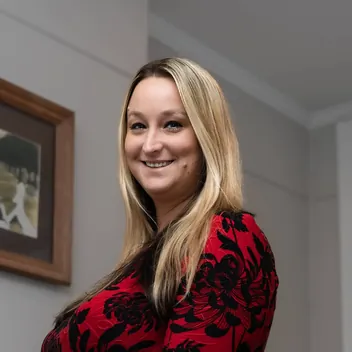
Rachel Garber, MS, CAADC, LPC, Primary Therapist at R&D Centers

Clinically reviewed

Rachel Garber, MS, CAADC, LPC · Primary Therapist

Content reviewed October 2026

Four commitments that shape every part of care.

These are not slogans on a wall. They are the reasons people describe treatment here as different, and you will run into all four in your first week.

Case management that does the unglamorous work

Recovery does not happen in a therapy room alone. Our case managers help with the paperwork and logistics that derail real people: insurance questions, work and school letters, medication refills, housing concerns, and the coordination between providers that usually falls on you.

  • One point of contact for practical needs
  • Help with insurance and paperwork
  • Letters for work or school
  • Care coordinated across providers
  • A plan for after treatment

Collaborative care with the people already in your corner

If you have a therapist, psychiatrist, doctor or family members who support you, we build on what is working instead of replacing it. With your permission, we stay in contact with the people you trust and keep everyone working from the same picture.

  • Your outside provider stays involved
  • Medication decisions made in the open
  • Family sessions and education
  • Updates you agree on in advance
  • Referrals that keep existing relationships

Meeting you where you are, not where a program says you should be

Some people arrive ready to rebuild everything. Others are managing work, school and family while barely holding on. Your care plan is shaped around your life: the schedule you can keep, the goals that matter to you, and the pace you can actually sustain.

  • A plan built around your schedule
  • Goals you set, not a checklist
  • Outpatient care that fits daily life
  • Virtual sessions across Pennsylvania
  • Honest talk about the right level of care

Modality-rich treatment, because one approach does not fit everyone

We draw on several evidence-based approaches rather than a single method. What helps one person understand themselves may not help the next, so our clinicians use a range of therapies and adjust as they learn what reaches you.

  • CBT and DBT
  • Motivational interviewing
  • Psychodynamic and ACT approaches
  • Mindfulness-based practices
  • Group process and psychoeducation

From first call to aftercare, in practice.

Start with an honest assessment

Before anything is scheduled, we take time to understand what you are dealing with: substance use, mental health, medical history, work, family and what has already been tried. Then we tell you plainly which level of care fits, even when the answer is a higher level of care than ours.

A plan with your name on it

Your treatment plan reflects your situation, not a template. It covers the clinical work, the practical logistics and the people you want involved, and it is revisited as things change.

Therapy that uses more than one tool

Across PHP and IOP, you move between individual sessions, group work, skill building and family sessions. Different angles on the same work, because insight and habit change rarely come from one place.

A case manager keeping the tracks clear

While you do the clinical work, someone on our team is handling the practical side: coordination with other providers, paperwork, and planning what comes next so the transition does not catch you off guard.

See it for yourself

The difference shows up in the program you choose.

Two programs at two Media addresses, addiction and mental health, with co-occurring care available at both and virtual sessions across Pennsylvania. Every one of them runs on the commitments above.

Compare our programs

Ask us what makes us different. We like the question.

A short call is enough to hear how we work and whether it fits what you need right now.

If you are in immediate danger, call 911. For crisis support, call or text 988.

A conversation can change everything.

Let’s find the right next step. For you, or someone you love.

(484) 265-9100
Call Now