
Addiction is a chronic, relapsing condition that affects not only the individual but also families and communities. For those seeking recovery, the journey can feel overwhelming, especially when withdrawal symptoms and cravings make it difficult to maintain progress. Fortunately, medication-assisted treatment (MAT) has emerged as a leading, evidence-based solution for managing these challenges and supporting long-term recovery.
MAT combines FDA-approved medications with counseling and behavioral therapies. This comprehensive approach addresses both the physical and psychological aspects of addiction, helping individuals achieve and sustain recovery. At R&D Center, our mission is to provide holistic, evidence-based care that empowers individuals and supports lasting personal growth.
How Medications Support Recovery
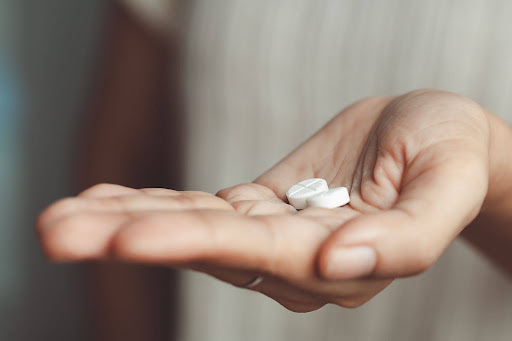
The physical symptoms of withdrawal, such as nausea, anxiety, muscle pain and intense cravings, can be a major barrier to recovery. Buprenorphine and methadone can reduce opioid withdrawal symptoms and cravings. Naltrexone works differently: it blocks opioid receptors and is started only after a clinician confirms an appropriate opioid-free interval, because starting it too soon can trigger severe withdrawal. It is also used for alcohol use disorder. Medication choice depends on the substance involved, medical history and an individualized assessment.
Prescribed treatment is not the same as uncontrolled substance use. Buprenorphine is a partial opioid agonist, meaning it activates opioid receptors less strongly than full opioid agonists. Methadone is a full opioid agonist and, for opioid use disorder, is generally dispensed through a certified opioid treatment program. Both can cause physical dependence and carry risks, including sedation and overdose, especially when combined with alcohol or other sedatives. Appropriate dosing, prescribing and monitoring help manage those risks.
Addressing Common Misconceptions
Despite robust scientific support, medication-assisted treatment is sometimes misunderstood. One common myth is that MAT simply replaces one addiction with another. Physical dependence on a prescribed medication is different from addiction, which involves compulsive use despite harm. Medications can help people regain stability and focus on recovery, but they still require careful monitoring and a discussion of benefits, side effects and interactions.
Another misconception is that MAT is a “last resort” option, only for those who have “failed” other treatments. Medications are an evidence-based treatment option for opioid and alcohol use disorders, not a reward for trying other approaches first. The medications used for each disorder differ, and a qualified prescriber can help determine which options are appropriate.
The Science Behind Medication-Assisted Treatment
MAT is grounded in decades of research and clinical practice. Studies support the role of medications in treatment retention and reduced risk of death for people with opioid use disorder. A 2018 NIH-supported observational study of people who survived a nonfatal opioid overdose found lower opioid-related mortality among those receiving methadone or buprenorphine. This finding applies to that studied population and does not guarantee an individual outcome.
Medication treatment can also support stability and quality of life, helping people participate in counseling, relationships and everyday responsibilities. Benefits vary with individual needs and circumstances.
Integrating Medication Into a Comprehensive Treatment Plan
Medications are a powerful treatment tool, and counseling, peer support and practical help can complement them. Needed medication treatment should not be withheld solely because someone cannot participate in counseling. At R&D Center, the goal is a personalized plan that connects therapy, medical care and community resources. Ask our team how coordination with a qualified medication prescriber can fit your care; medication services and availability should be confirmed before enrollment.
This comprehensive approach recognizes that addiction does not exist in a vacuum. Many individuals struggling with substance use disorders also face challenges such as trauma, mental health conditions, or social stressors. By addressing these underlying issues alongside medication, we help lay the foundation for lasting recovery.
Fostering a Supportive Community
Recovery is not a solitary journey. At the R&D Center, we emphasize the importance of community and connection. Our programs encourage positive recovery stories, peer mentorship, and ongoing education about addiction and mental health. We strive to create a welcoming, stigma-free environment where individuals can share their experiences, learn from one another, and find encouragement during challenging times.
Evidence-Based Care for Lasting Recovery
Choosing to seek help is a courageous first step. Medication-assisted treatment, when combined with therapy and community support, offers a proven path toward recovery and personal growth. At R&D Center, we are committed to providing compassionate, evidence-based care that empowers individuals to reclaim their lives.
If you have questions about MAT or want to learn more about how we can support your recovery journey, contact us today. Together, we can build a healthier, more hopeful future.
Connected care at both R&D centers.
R&D Center and R&D Wellness are two distinct programs in Media, PA, with co-occurring care at both. An assessment helps determine which program best matches your primary needs. Addiction IOP at R&D Center and Addiction PHP offer structured addiction treatment, while Mental Health IOP at R&D Wellness supports mental health needs. Ask how case management, individualized planning and coordination with your existing providers can connect both sides of your care.
Talk with our admissions teamResearch and community resources
- SAMHSA: methadone treatment
- CDC: treating opioid use disorder
- NIH: mortality findings after nonfatal opioid overdose
- Surgeon General: early intervention, treatment and management
- Co-occurring mental health and addiction care
- Local recovery and mental health resources
This article is educational and does not replace a professional assessment. Treatment needs and outcomes vary. Medication decisions require an individualized assessment by a qualified prescriber. Do not start, stop or change prescribed medication without medical guidance. Suspected overdose requires 911; give naloxone if available and follow emergency instructions. Independent resources are not affiliated with R&D Centers. If someone is in immediate danger, call 911. For crisis support, call or text 988.