
With addiction recovery, many individuals are seeking holistic approaches that address not just the symptoms of addiction, but the whole person: mind, body, and spirit. At R&D Center, we believe in supporting every step of your recovery journey with evidence-based, compassionate care.
One of the most transformative strategies gaining traction in recent years is mindfulness practices, such as meditation and yoga, into recovery plans. These practices, rooted in centuries-old traditions, offer a powerful complement to conventional treatment methods.
Mindfulness also has a place in mental health care, whether or not substance use is part of someone’s experience. At R&D Wellness and R&D Center in Media, the focus is on how these skills can support an individual care plan, not on replacing therapy or other recommended treatment.
The Intersection of Mindfulness and Addiction Recovery
Addiction is a complex condition that often involves physical dependency, emotional turmoil, and psychological distress. Recovery, therefore, must be equally multifaceted. Mindfulness, the practice of paying intentional, non-judgmental attention to the present moment, has emerged as a valuable tool in helping individuals break the cycle of addiction.
By enhancing awareness of thoughts, feelings, and bodily sensations, mindfulness empowers individuals to recognize triggers, manage cravings, and respond to stress in healthier ways.
What Research Says About Mindfulness in Recovery
Mindfulness is much more than a buzzword. Researchers have studied it as a complement to care for substance use disorders. Some studies suggest benefits for cravings, stress and emotional symptoms, but findings vary and mindfulness is not a guarantee of lasting sobriety.
Yoga and meditation can offer ways to practice emotional awareness and self-compassion. Research has also explored changes in the brain associated with meditation, although the meaning of those findings for an individual’s treatment or recovery remains uncertain.
The most useful question is not whether one practice works for everyone. It is whether a practice is safe, manageable and helpful alongside the treatment and recovery supports you need.
Mental Health Benefits Beyond Addiction Recovery
You do not need a substance use concern to explore mindfulness. Research suggests mindfulness-based approaches may help some people with anxiety, depression and stress. Benefits differ between people and programs, and a short self-guided exercise is not the same as a structured clinical intervention.
For anxiety and stress, practicing attention to the present can help you notice worry and physical tension without immediately reacting. A gentle pause may create room to choose a coping skill rather than get pulled further into a cycle of worry.
For low mood, mindfulness can support awareness of repetitive negative thoughts and a less judgmental response to difficult feelings. It is a skill to discuss with your therapist, not a reason to stop medication, counseling or other recommended care.
When mental health symptoms and substance use overlap, the same awareness skills can help you notice both emotional distress and urges to use. Integrated care addresses both concerns together, while keeping treatment tailored to your needs.
Meditation is not comfortable or helpful for everyone. Focusing inward can sometimes bring up distress, particularly for people with trauma histories. You can keep your eyes open, notice the room around you, choose gentle movement or stop. If a practice increases anxiety or distress, tell your clinician so it can be adapted.
Mindfulness Practices and Daily Life
Building mindfulness into daily routines does not require dramatic life changes or prior experience. Start with simple meditation exercises, such as a few minutes of focused breathing. Find a quiet space, sit comfortably, and focus your attention on your breath. When your mind wanders, gently return your focus without judgment.
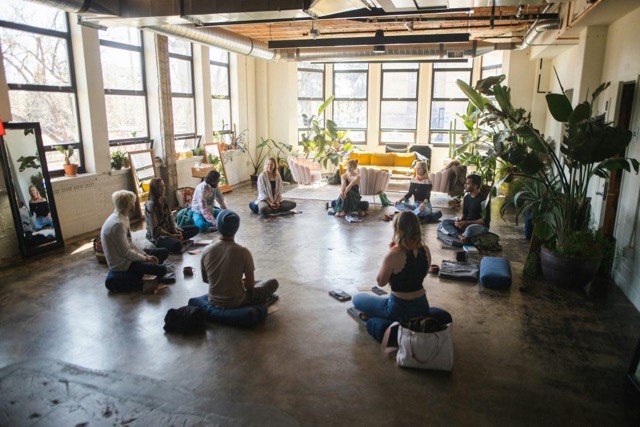
Yoga offers another accessible entry point. Many poses are beginner-friendly and can be practiced at home or in a group setting. Yoga supports physical health and encourages a sense of inner calm and self-compassion. For those new to yoga, consider starting with guided online sessions or attending a local class to learn foundational postures and techniques.
Mindfulness can also be woven into everyday activities. Practice mindful eating by savoring each bite, or use mindful walking as an opportunity to connect with your surroundings. Small, consistent efforts accumulate over time, making mindfulness a natural part of your recovery journey.
Local and Virtual Mindfulness Resources
Delaware County, PA, is home to wellness practitioners and organizations focused on holistic health. Check current local class listings and Delaware County health resources for available activities, accessibility and costs. Do not assume a workshop is currently offered without checking with the organizer.
For virtual practice, Insight Timer and Headspace offer guided meditation resources. Availability, subscription requirements and pricing vary. These independent tools can support practice, but they are not substitutes for clinical care.
The Lasting Impact of Holistic Recovery
Integrating mindfulness and holistic practices into addiction recovery is not a quick fix, but a sustainable path toward lasting change. By cultivating present-moment awareness, individuals learn to navigate challenges with greater clarity, compassion, and resilience. These benefits extend beyond the recovery process, enriching overall quality of life and supporting long-term well-being.
At R&D Center, we are dedicated to helping our clients embrace a full spectrum of recovery tools in a safe and supportive setting. If you are interested in learning more about our holistic recovery programs or want to explore local mindfulness resources, contact us or visit our blog for additional insights and updates.
Embrace the journey. Lasting change is possible, one mindful step at a time.
Two programs, care for the whole person.
Mental Health IOP at R&D Wellness offers structured outpatient mental health care. Addiction PHP and Addiction IOP at R&D Center support substance use recovery. Both centers address co-occurring needs through individualized care.
Ask our team how holistic therapies fit alongside your clinical treatment and daily routines.
Talk with our admissions teamResearch and practice resources
- NCCIH: Meditation and mindfulness, effectiveness and safety
- Mindfulness research cited in the original article
- Research on mindfulness practice and brain structure
- Insight Timer
- Headspace
- Local recovery and mental health resources
This article is educational and does not replace a professional assessment. Independent resources are not affiliated with R&D Centers. If someone is in immediate danger, call 911. For crisis support, call or text 988.